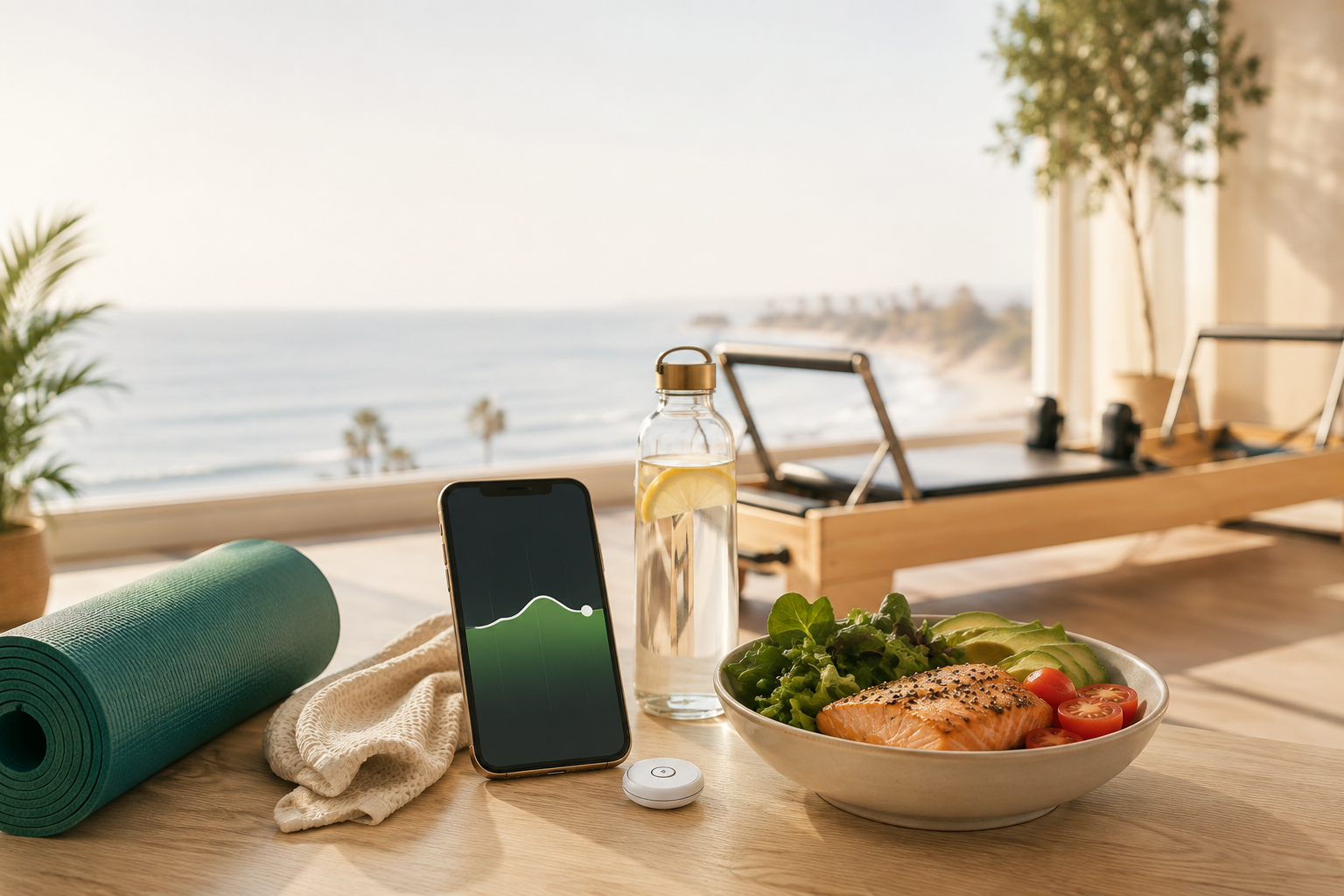
Mat Pilates is where it all began. Developed in the early 20th century by Joseph Pilates, the method was originally called Contrology, a system designed to create complete coordination of body, mind, and breath. Joseph Pilates believed that physical fitness was the first requirement of happiness, and his work reflected a deep understanding of how strength, mobility, and control intersect. While interned in England during World War I, he began refining his exercises, later bringing his method to New York in the 1920s. There, alongside his wife Clara, he trained dancers, athletes, and performers, many of whom relied on his work for both injury recovery and performance enhancement. The original exercises were performed on a simple mat, using only body weight and precise movement patterns making mat Pilates the purest expression of the method.
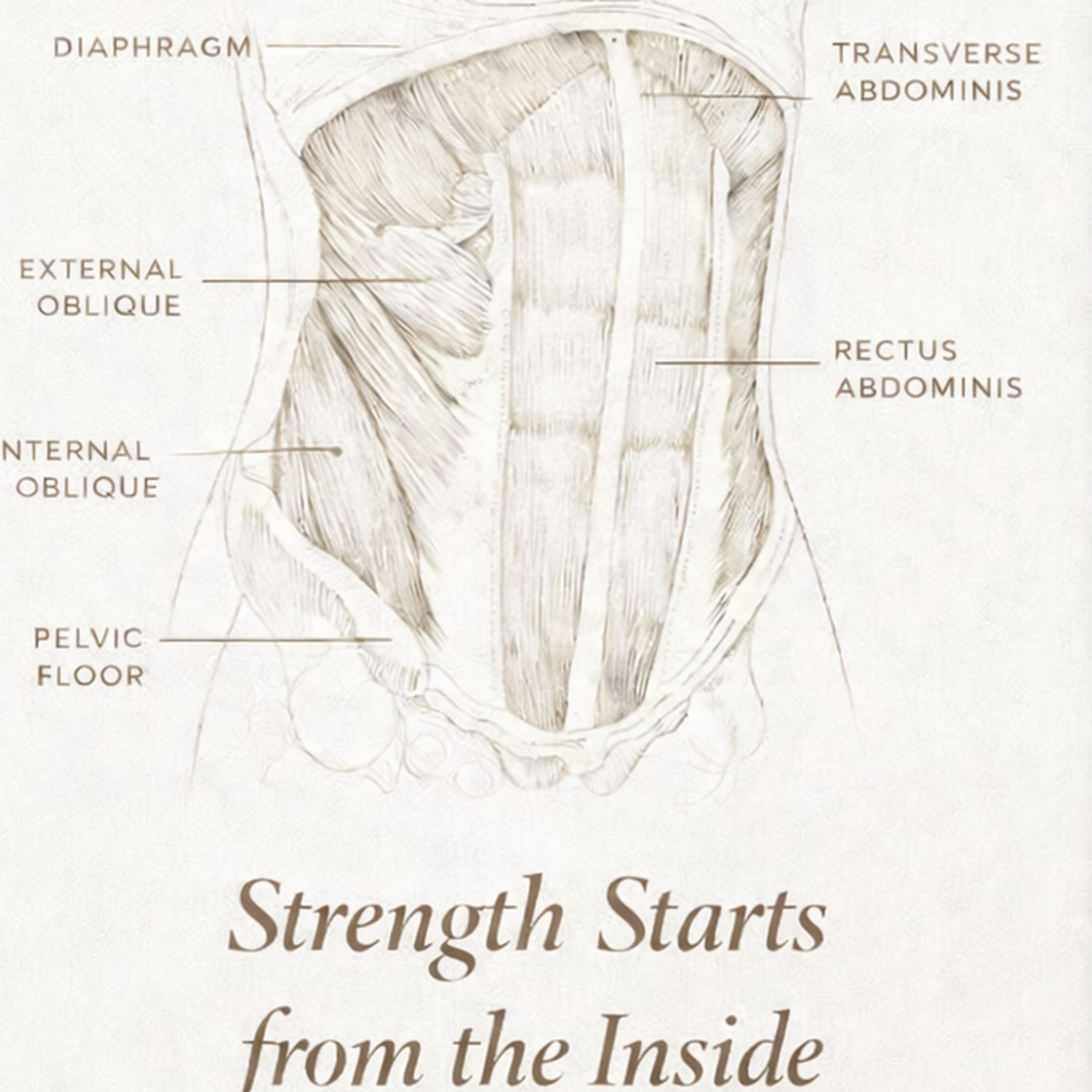
At its core, mat Pilates emphasizes control, alignment, and efficient movement. Without the assistance or resistance of equipment, the body must generate its own stability, requiring deep engagement of the core musculature including the transverse abdominis, pelvic floor, and multifidus. This creates a strong foundation for spinal support and overall movement quality. Research has shown that Pilates training can significantly improve core strength, flexibility, balance, and posture, while also reducing pain, particularly in individuals with chronic low back issues (Wells et al., 2012; Kloubec, 2010). Because mat Pilates relies entirely on body weight, it also enhances body awareness, teaching individuals how to move with precision and intention skills that translate directly to sport and daily life.
While mat Pilates is foundational, reformer Pilates builds upon that foundation by introducing resistance, assistance, and progressive loading. The reformer, one of Joseph Pilates’ original apparatus designs, uses springs, pulleys, and a moving carriage to challenge the body in new ways. This allows for both increased intensity and greater accessibility. For beginners, the reformer can provide support and guidance through movement patterns that may be difficult to achieve on the mat. For more advanced practitioners, it creates opportunities for progressive overload, making it possible to build strength, power, and endurance in a more measurable way. Studies comparing mat and apparatus-based Pilates suggest that both are effective for improving physical function, but equipment-based training may offer additional benefits for strength development due to its adjustable resistance (Segal et al., 2004).
The key difference between the two lies in how the body is challenged. Mat Pilates demands intrinsic control and your body is the resistance. Reformer Pilates, on the other hand, introduces external resistance and instability, allowing for a broader range of movement patterns and more dynamic training. Neither is better than the other; rather, they serve different roles within a well-rounded program. Mat Pilates develops the fundamental strength, control, and awareness needed to move well, while reformer Pilates enhances those qualities by adding load, complexity, and progression.
At Plyo Pilates, we view mat Pilates not as a beginner class, but as a critical component of performance training. It reinforces the movement patterns that allow you to move better, get stronger, and stay injury-free. When combined with reformer work, it creates a comprehensive system that supports both longevity and athletic performance. Whether you’re stepping onto the mat or the reformer, the goal remains the same: to build a body that moves with strength, control, and purpose.
References
- Kloubec, J. A. (2010). Pilates for improvement of muscle endurance, flexibility, balance, and posture. Journal of Strength and Conditioning Research, 24(3), 661–667.
- Segal, N. A., Hein, J., & Basford, J. R. (2004). The effects of Pilates training on flexibility and body composition: An observational study. Archives of Physical Medicine and Rehabilitation, 85(12), 1977–1981.
- Wells, C., Kolt, G. S., & Bialocerkowski, A. (2012). Defining Pilates exercise: A systematic review. Complementary Therapies in Medicine, 20(4), 253–262.