Many men assume that declining performance, persistent stiffness, slower recovery, and nagging aches are simply part of getting older. While aging certainly plays a role, one of the most overlooked factors affecting how men feel and perform is chronic inflammation. Inflammation is a natural and necessary process that helps the body heal from injury, exercise, and illness. However, when inflammation becomes chronic or excessive, it can negatively impact recovery, mobility, energy levels, athletic performance, and long-term health.
For active men, inflammation often begins as a result of cumulative stress on the body. Intense workouts, repetitive sports movements, poor sleep, chronic stress, inadequate recovery, and even prolonged sitting can all contribute to elevated inflammatory markers. While short-term inflammation is essential for muscle repair and adaptation, chronic low-grade inflammation has been linked to reduced physical performance, increased injury risk, joint discomfort, cardiovascular disease, and accelerated aging (Furman et al., 2019).
One of the first places men notice the effects of chronic inflammation is in recovery. The workout itself is only the stimulus. Progress actually occurs during recovery when the body repairs tissue, restores energy, and adapts to training demands. Research has shown that excessive inflammation can impair muscle recovery, prolong soreness, and reduce performance capacity during subsequent training sessions (Peake et al., 2017). As men age, the body’s ability to regulate inflammatory responses becomes less efficient, making recovery strategies increasingly important for maintaining an active lifestyle.
Inflammation also has a significant impact on mobility. Joint stiffness, limited range of motion, and chronic tightness are often attributed solely to aging, but inflammation can contribute substantially to these issues. Chronic inflammation may affect connective tissues, muscles, and joints, resulting in reduced movement quality and discomfort during everyday activities. For golfers, runners, cyclists, pickleball players, and recreational athletes, restricted mobility can negatively affect both performance and injury resilience. Maintaining mobility through regular movement, strength training, and recovery practices has been shown to support joint health and functional movement as individuals age (Booth et al., 2017).
The relationship between inflammation and aging has become a major focus of longevity research. Scientists have coined the term “inflammaging” to describe the chronic, low-grade inflammation that develops with age and contributes to many age-related conditions (Franceschi et al., 2018). Elevated inflammatory markers have been associated with declines in muscle mass, reduced physical function, cardiovascular disease, metabolic disorders, and cognitive decline. While aging is inevitable, lifestyle interventions that help regulate inflammation may improve both lifespan and healthspan, the number of years spent living actively and independently.
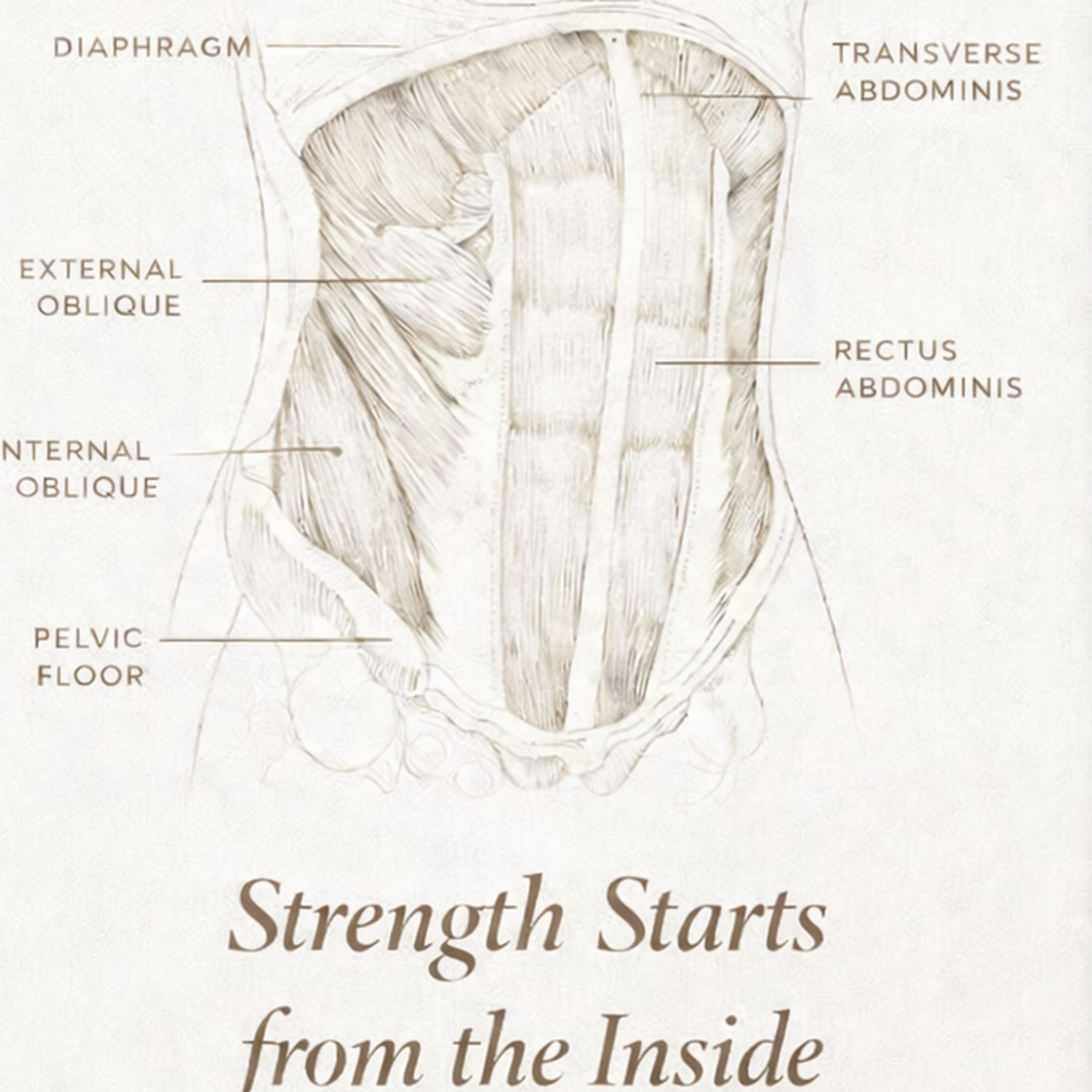
Exercise remains one of the most effective tools for controlling inflammation when appropriately balanced with recovery. Resistance training, cardiovascular exercise, mobility work, and practices such as Pilates have all been shown to support healthy inflammatory responses while improving strength, balance, posture, and movement efficiency. Pilates, in particular, offers a unique combination of mobility, core stability, muscular endurance, and body awareness that can help active men move more efficiently and reduce excessive stress on joints and connective tissues.
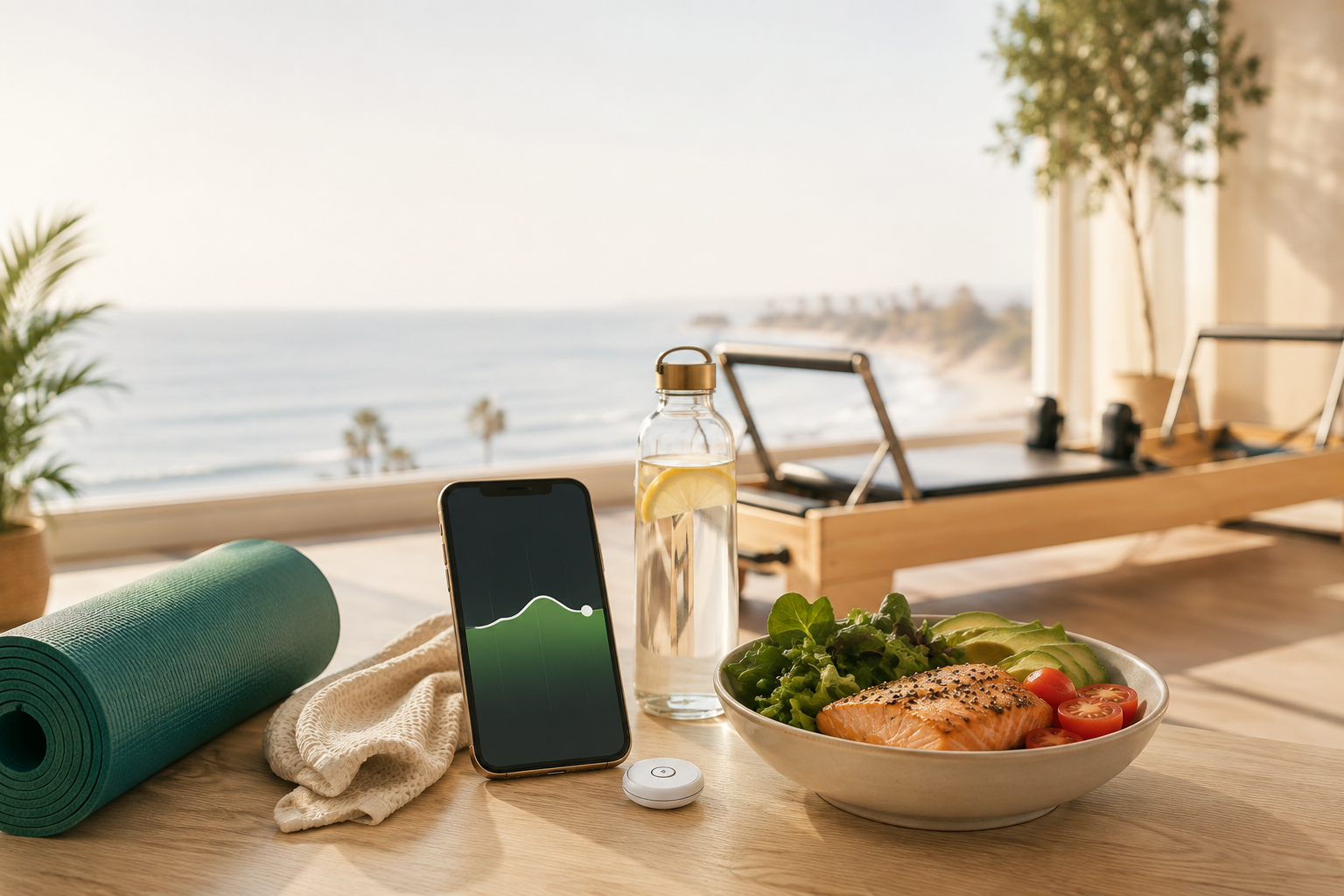
Recovery strategies are equally important. Quality sleep, stress management, proper nutrition, hydration, and recovery modalities such as red light therapy may all support the body’s ability to manage inflammation. Research suggests that photobiomodulation, commonly known as red light therapy, may help support cellular energy production, circulation, tissue repair, and healthy inflammatory responses through its effects on mitochondrial function (Hamblin, 2017). While not a replacement for healthy lifestyle habits, recovery tools may help complement an overall wellness and performance program.
At Plyo Pilates Performance, we believe that longevity is not simply about living longer, it is about maintaining the strength, mobility, energy, and resilience to continue doing the things you love. Whether your goal is to improve your golf game, stay active with your children, compete in recreational sports, or simply move without discomfort, managing inflammation should be part of the conversation. The men who perform best as they age are not necessarily the ones who train the hardest; they are often the ones who recover the smartest.
As Father’s Day approaches, it’s a good reminder that health is one of the greatest investments a man can make. Prioritizing movement, recovery, mobility, and inflammation management today can help create a stronger, healthier future for years to come.
References
Booth, F. W., Roberts, C. K., & Laye, M. J. (2017). Lack of exercise is a major cause of chronic diseases. Comprehensive Physiology, 2(2), 1143–1211.
Franceschi, C., Garagnani, P., Parini, P., Giuliani, C., & Santoro, A. (2018). Inflammaging: A new immune-metabolic viewpoint for age-related diseases. Nature Reviews Endocrinology, 14(10), 576–590.
Furman, D., Campisi, J., Verdin, E., et al. (2019). Chronic inflammation in the etiology of disease across the life span. Nature Medicine, 25(12), 1822–1832.
Hamblin, M. R. (2017). Mechanisms and applications of the anti-inflammatory effects of photobiomodulation. AIMS Biophysics, 4(3), 337–361.
Peake, J. M., Neubauer, O., Della Gatta, P. A., & Nosaka, K. (2017). Muscle damage and inflammation during recovery from exercise. Journal of Applied Physiology, 122(3), 559–570.