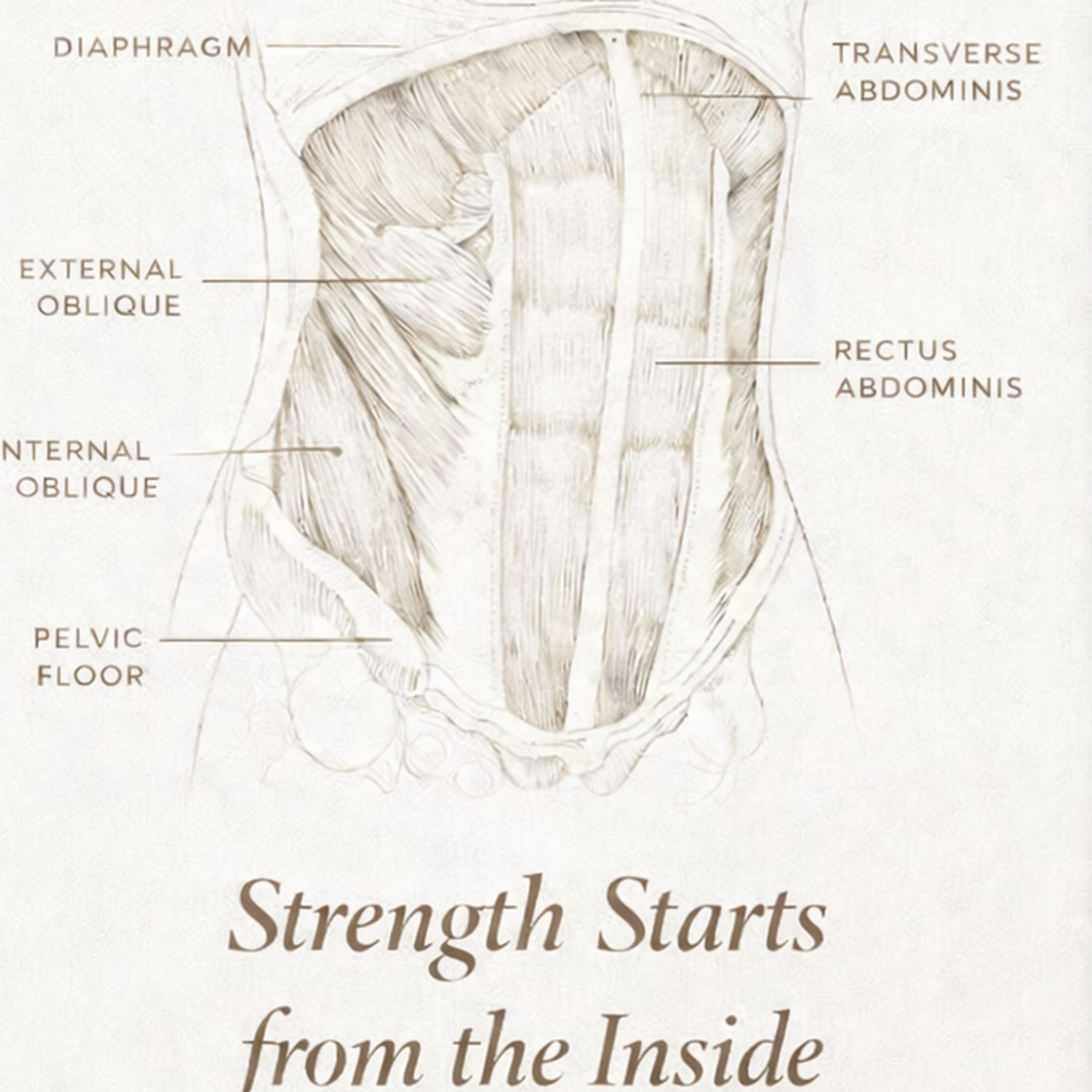
Many people believe that once physical therapy ends, the injury is fully healed and they can return to normal activity. In reality, discharge from physical therapy often means that the patient is no longer in acute pain and has regained basic function, but it does not always mean the body is strong, balanced, or ready to handle the demands of daily life or sports. This is where Post-Rehab Pilates becomes one of the most important, and often missing steps in the recovery process. Post-rehabilitation Pilates focuses on rebuilding strength, improving alignment, restoring movement patterns, and preventing future injury through controlled, intentional exercise.
Physical therapy is designed to treat injury, reduce pain, and restore basic mobility. However, many insurance-based physical therapy plans are limited in the number of visits a patient can attend, which means patients are sometimes discharged before they have fully rebuilt strength and stability. Research shows that ongoing exercise after rehabilitation is critical for long-term recovery and injury prevention, particularly for conditions involving the spine, hips, shoulders, and knees. Without continued strength and movement training, patients often experience recurring pain or re-injury because the underlying movement dysfunction was never fully corrected.
Pilates is uniquely suited for post-rehabilitation because it emphasizes core stability, proper alignment, controlled movement, breathing, and muscular balance. Unlike high-intensity workouts that focus on speed or heavy resistance, Pilates focuses on precision and quality of movement. This is especially important after injury, when the body may compensate or move incorrectly to avoid pain. Pilates helps retrain the body to move correctly again. Studies have shown that Pilates can improve core strength, posture, balance, and functional movement, making it an effective bridge between physical therapy and full return to activity.
Post-Rehab Pilates is commonly used for individuals recovering from back pain, neck pain, ACL injuries, hip and knee replacements, shoulder injuries, and chronic conditions such as scoliosis or arthritis. The goal is not just to exercise, but to retrain movement patterns so the body works as a balanced system again. When muscles are weak or joints are unstable, other parts of the body compensate, which can lead to new injuries. Pilates addresses these imbalances by strengthening smaller stabilizing muscles that are often missed in traditional workouts.
Another important benefit of Post-Rehab Pilates is injury prevention. Research indicates that exercise programs focusing on core stability and neuromuscular control significantly reduce the risk of future injury, particularly in the lower back and knees. Pilates teaches body awareness, proper muscle activation, and control, which helps individuals move more efficiently and safely in everyday life and sports. In this way, Pilates is not just exercise, it is movement education.
In long-term recovery, the goal is not simply to be pain-free, but to be strong, stable, and resilient. Post-Rehab Pilates fills the gap between physical therapy and regular fitness by providing structured, supervised exercise that focuses on quality of movement rather than quantity of repetitions. For many people, this step is the difference between temporary recovery and lasting recovery. Instead of cycling through repeated injuries and therapy visits, individuals who continue with post-rehabilitation exercise programs often experience better long-term outcomes, improved function, and a higher quality of life.
Post-Rehab Pilates is not just for injured individuals, it is for anyone who wants to move better, prevent injury, and build a strong foundation for long-term health. By focusing on alignment, core strength, flexibility, balance, and controlled movement, Pilates helps the body function the way it was designed to move. When used after physical therapy, it becomes one of the most effective tools for maintaining recovery and preventing future problems.
References
Kloubec, J. (2010). Pilates for improvement of muscle endurance, flexibility, balance, and posture. Journal of Strength and Conditioning Research.
Wells, C., Kolt, G. S., & Bialocerkowski, A. (2012). Defining Pilates exercise: A systematic review. Complementary Therapies in Medicine.
Latey, P. (2001). The Pilates method: History and philosophy. Journal of Bodywork and Movement Therapies.
American Physical Therapy Association (APTA). The role of exercise in injury prevention and rehabilitation.
Behm, D. G., et al. (2010). The effectiveness of core stability exercises for injury prevention. Sports Medicine.
National Institutes of Health (NIH): Exercise and physical activity in rehabilitation and recovery.
Cruz-Ferreira, A., et al. (2011). Effects of Pilates-based exercise on life satisfaction, physical self-concept and health status in adult women. Women & Health Journal.