Over the last decade, the word Pilates has become one of the most widely used terms in the fitness industry. Studios across the country advertise Pilates-inspired workouts, reformer classes, and high‑intensity machine-based training sessions. While many of these classes can provide a challenging workout, not all of them represent the original Pilates method developed by Joseph Pilates. In particular, Mega Reformer or Lagree-style workouts are often marketed using the word Pilates even though the structure, philosophy, and goals of these classes differ significantly from both classical and contemporary Pilates practices. For anyone exploring Pilates for the first time, understanding these differences is essential in making an informed choice.
Mega Reformer workouts are typically designed as high-intensity group fitness experiences. These classes often take place in large rooms with many participants moving through exercises simultaneously on specialized machines. The goal is frequently to maintain continuous muscular tension and perform exercises for longer durations or higher repetitions to create a strong burn or sweat response. Music tends to be louder, and transitions between exercises can be quick to maintain a high-energy environment. While these workouts can build muscular endurance and provide cardiovascular challenge, the fast pace and larger class sizes often limit the instructor’s ability to observe and correct each participant’s movement patterns.
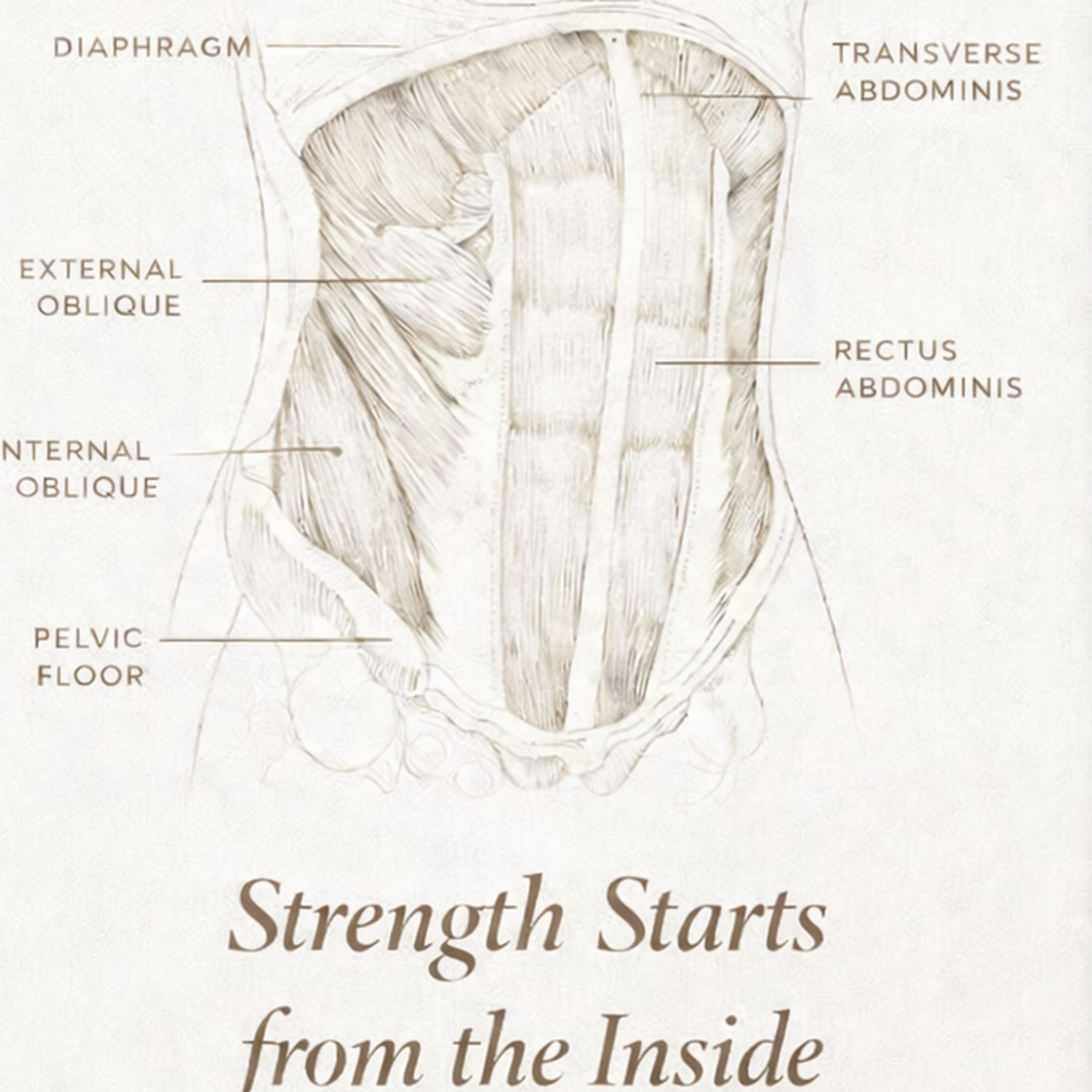
In contrast, the Pilates method, whether taught through classical or contemporary approaches, is built on a foundation of precision and mindful movement. Joseph Pilates originally created his system, which he called Contrology, as a method of conditioning the body through focused control of muscles, breath, and alignment (Pilates & Miller, 1945). Rather than emphasizing the number of repetitions, Pilates focused on the quality of movement. Each exercise is meant to be performed with concentration, control, proper breathing, and balanced muscular engagement. These principles help train the deep stabilizing muscles of the core, improve posture, and support healthy movement throughout the entire body.
One of the defining characteristics of authentic Pilates instruction is the level of individual attention provided during a class. Pilates exercises, especially those performed on the reformer, require careful attention to spinal alignment, joint positioning, and muscle activation. Small adjustments in foot placement, shoulder position, or breathing patterns can significantly change how an exercise affects the body. For this reason, traditional Pilates studios often keep class sizes smaller so instructors can provide personalized cues and corrections. This hands-on coaching ensures that clients move safely and effectively while developing better body awareness.
Another important consideration when comparing large group Mega Reformer classes with traditional Pilates instruction is the potential risk of injury when exercises are performed without proper supervision or alignment. While high‑intensity machine workouts can be effective for strength and endurance, rapid transitions, sustained muscular fatigue, and limited instructor correction may increase the likelihood of poor movement mechanics. Exercise science research consistently emphasizes that improper form during repetitive exercise, particularly under fatigue, can contribute to overuse injuries in the shoulders, hips, knees, and lower back (American College of Sports Medicine, 2021; Wells, Kolt, & Bialocerkowski, 2012). Because Pilates equipment uses springs and moving platforms, maintaining proper alignment and control is especially important.
Research supports the importance of controlled movement and proper alignment in Pilates training. Studies have shown that Pilates-based exercise can improve core strength, balance, posture, and functional movement when exercises are performed with attention to technique and stability (Kloubec, 2010; Wells, Kolt, & Bialocerkowski, 2012). These benefits are closely tied to the method’s focus on neuromuscular control, breathing coordination, and precise muscle activation. When exercises are rushed or performed without proper guidance, many of these therapeutic and performance benefits can be reduced.
As Pilates continues to grow in popularity, many studios incorporate the word Pilates into their branding because it carries a reputation for intelligent movement and effective training. However, the presence of reformer-style equipment or spring-based machines does not automatically mean a class is teaching the Pilates method. Authentic Pilates focuses on intentional movement, careful instruction, and progressive skill development over time. It is not simply about pushing the body to exhaustion but about teaching the body how to move efficiently and safely.
References
American College of Sports Medicine. (2021). ACSM’s Guidelines for Exercise Testing and Prescription (11th ed.). Wolters Kluwer.
Kloubec, J. A. (2010). Pilates for improvement of muscle endurance, flexibility, balance, and posture. Journal of Strength and Conditioning Research, 24(3), 661–667.
Pilates, J. H., & Miller, W. J. (1945). Return to Life Through Contrology. New York: J. J. Augustin.
Wells, C., Kolt, G. S., & Bialocerkowski, A. (2012). Defining Pilates exercise: A systematic review. Complementary Therapies in Medicine, 20(4), 253–262.
Latey, P. (2001). The Pilates method: History and philosophy. Journal of Bodywork and Movement Therapies, 5(4), 275–282.
Want the real thing? See how we teach classical, athletic reformer Pilates in our Redondo Beach classes or a one-on-one private session. New here? Check pricing and the intro offer.