Pilates and Cognitive Health | Brain & Body Benefits of Pilates
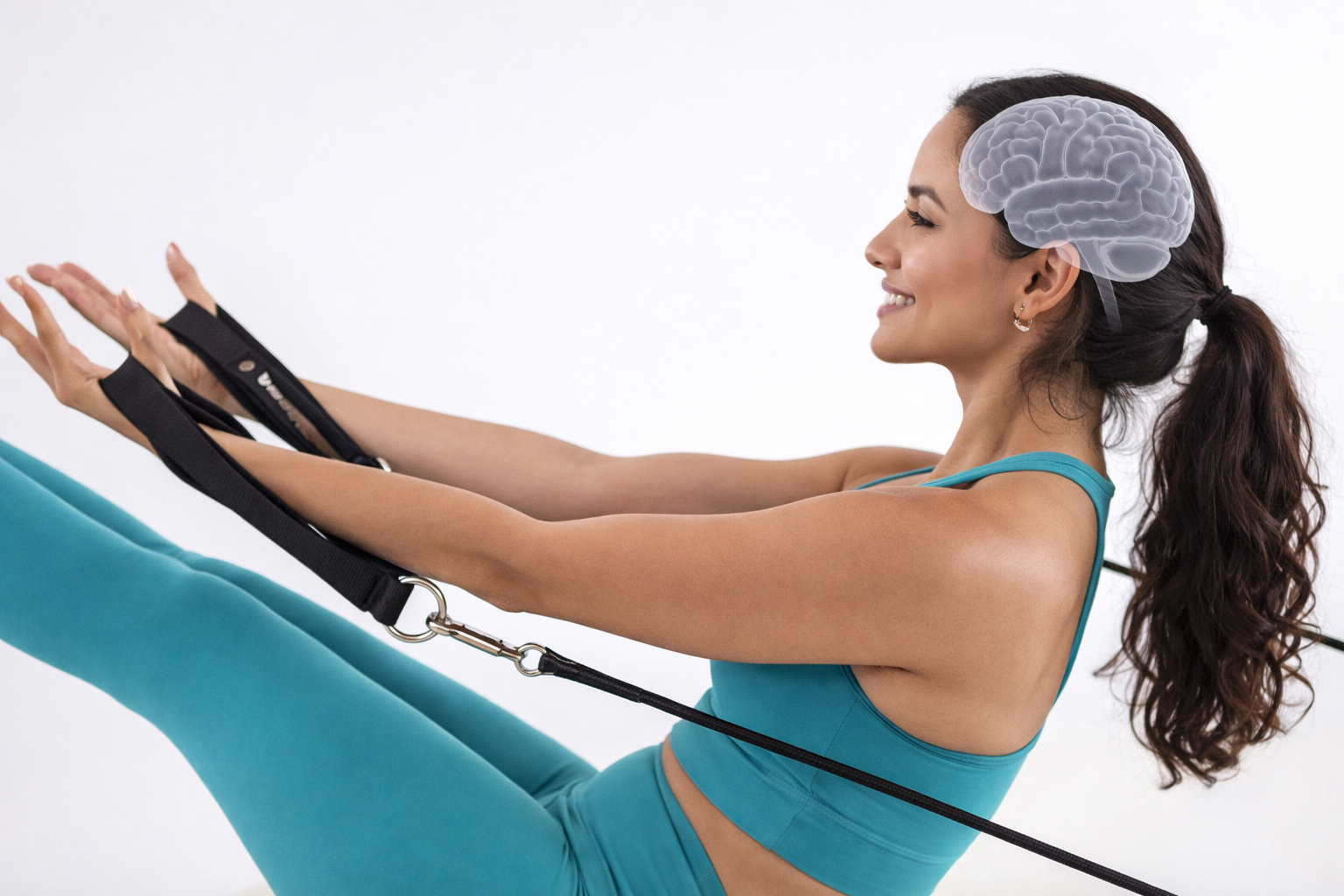
Pilates is often associated with strength, flexibility, and posture but, its benefits extend far beyond the physical. Research increasingly shows that mindful movement practices like Pilates also support cognitive health, improving focus, memory, stress regulation, and brain–body coordination.
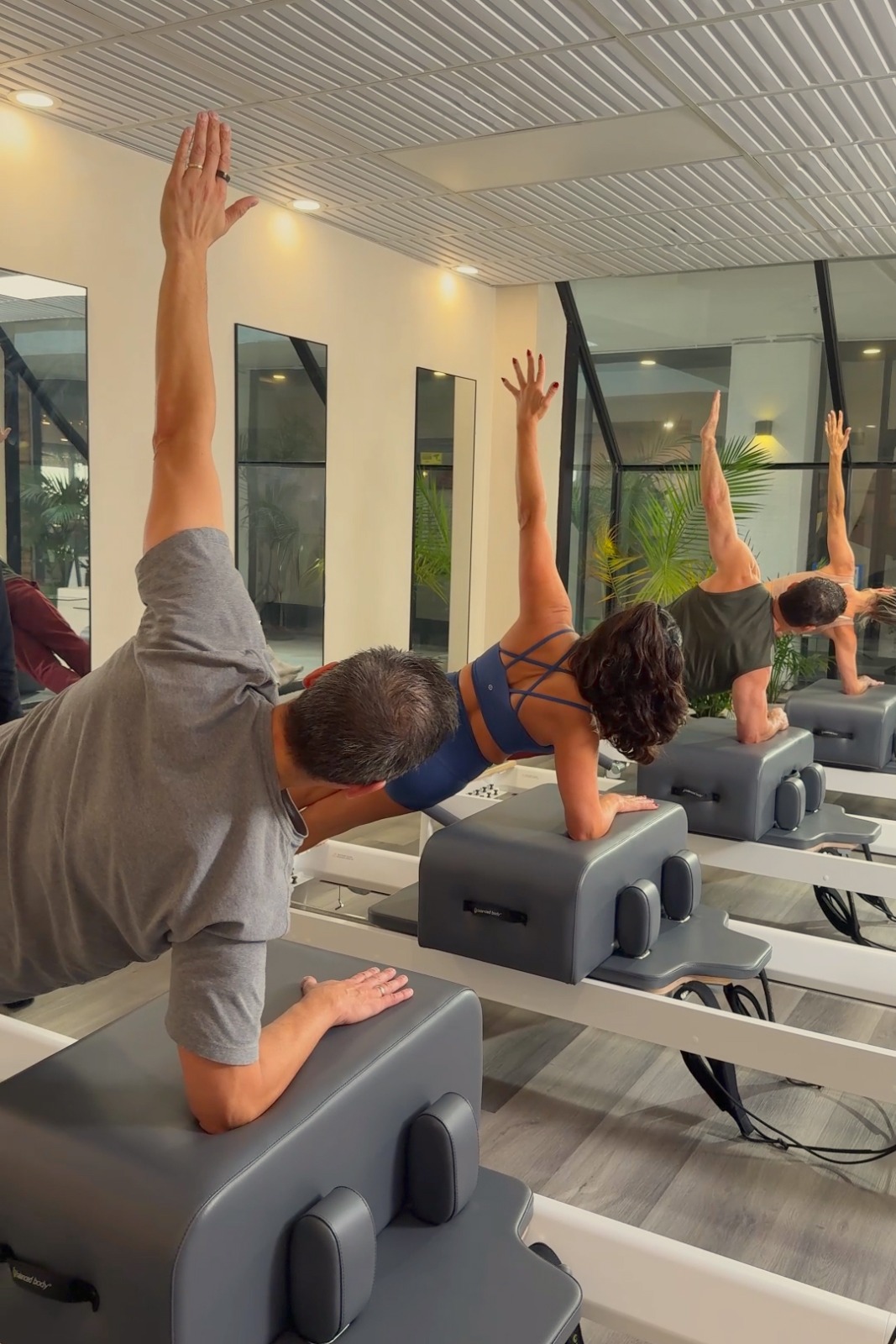
At Plyo Pilates Performance, Pilates is approached as neuromuscular training where the brain and body work together to move with precision, efficiency, and control.
The Brain–Body Connection
Movement and cognition are deeply linked. The brain controls movement, but movement also stimulates the brain. Exercises that require coordination, balance, sequencing, and breath control activate multiple brain regions simultaneously, strengthening neural pathways and supporting neuroplasticity, the brain’s ability to adapt and reorganize.
Unlike repetitive or purely high-intensity workouts, Pilates demands:
- Focused attention
- Body awareness (proprioception)
- Controlled breathing
- Intentional movement patterns
This combination makes Pilates uniquely effective for both physical and cognitive health.
How Pilates Supports Cognitive Function
- Improves Focus and Attention
Pilates requires sustained mental engagement. Each movement is performed with intention and control, activating the prefrontal cortex, the area of the brain responsible for focus, planning, and decision-making. Studies show that movement combined with cognitive engagement improves executive function more than passive exercise.
- Enhances Memory and Learning
Learning and recalling Pilates sequences challenges working memory and cognitive flexibility. Similar to learning a new skill, this process strengthens neural connections and supports long-term brain health.
- Reduces Stress and Supports Mental Clarity
Chronic stress negatively impacts cognition, memory, and mood. Pilates emphasizes breathwork and nervous system regulation, promoting parasympathetic (“rest and digest”) activation. Reduced stress hormones are associated with improved mental clarity and emotional resilience.
- Improves Balance and Motor Control
Balance and coordination exercises stimulate the cerebellum, a brain region involved in both movement and cognitive processing. Improved balance has been linked to better cognitive outcomes, especially with aging.
- Supports Healthy Aging
Regular movement that combines strength, balance, and mental engagement has been shown to slow age-related cognitive decline. Pilates provides a low-impact yet mentally challenging approach that supports longevity and long-term brain health.
Why Pilates Is Different
Many workouts prioritize intensity or repetition. Pilates prioritizes movement quality. Every exercise requires awareness, alignment, and control, keeping the brain actively involved. This mind-body integration is what makes Pilates especially effective for cognitive health.
At Plyo Pilates Performance, each class is intentionally designed to support this connection:
- Stretch & Re-Set: Reduces stress, improves mobility, and supports nervous system regulation
- Power: Builds strength while challenging coordination and force control
- Flow: Integrates strength, balance, and rhythm to reinforce brain–body communication
The Takeaway
Pilates is more than physical conditioning, it’s cognitive training through movement. By improving focus, reducing stress, enhancing coordination, and supporting neuroplasticity, Pilates helps you move better, think clearer, and perform longer in both everyday life and sport.
Training the body without training the brain is incomplete. Pilates trains both.
References
- Diamond, A. (2015). Effects of physical exercise on executive functions. Annals of Sports Medicine and Research.
- Erickson, K. I., Hillman, C. H., & Kramer, A. F. (2015). Physical activity, brain, and cognition. Current Opinion in Behavioral Sciences.
- Ratey, J. J., & Loehr, J. E. (2011). The positive impact of physical activity on cognition. Neuropsychology Review.
- Hillman, C. H., Erickson, K. I., & Kramer, A. F. (2008). Exercise effects on brain and cognition. Nature Reviews Neuroscience.
- Tao, J. et al. (2017). Mindful movement and cognitive control networks. Scientific Reports.