The South Bay of Los Angeles stretching across Manhattan Beach, Hermosa Beach, and Redondo Beach, is one of the most iconic beach volleyball communities in the world. Known for its deep-rooted culture and elite-level competition, the area hosts premier events like the Manhattan Beach Open, often referred to as the “Wimbledon of Beach Volleyball.” From weekend warriors to professional athletes, South Bay players demand a high level of performance, explosive power, agility, balance, and resilience. But with that demand comes a high risk of overuse injuries, joint strain, and muscular imbalances. This is where Pilates becomes a game-changing addition to a volleyball athlete’s training program.
Beach volleyball is uniquely demanding compared to indoor play. The unstable sand surface increases the need for dynamic stabilization and neuromuscular control. Athletes repeatedly jump, land, dive, and rotate at high intensity, placing significant stress on the shoulders, knees, ankles, and lower back (Bahr & Reeser, 2003). Unlike traditional strength training, which often focuses on linear movements and muscle isolation, Pilates emphasizes integrated movement patterns, core stability, and control qualities that directly transfer to the sand. Research has shown that core stability plays a critical role in force transfer between the upper and lower extremities, which is essential for powerful serves, spikes, and defensive movements (Kibler et al., 2006).
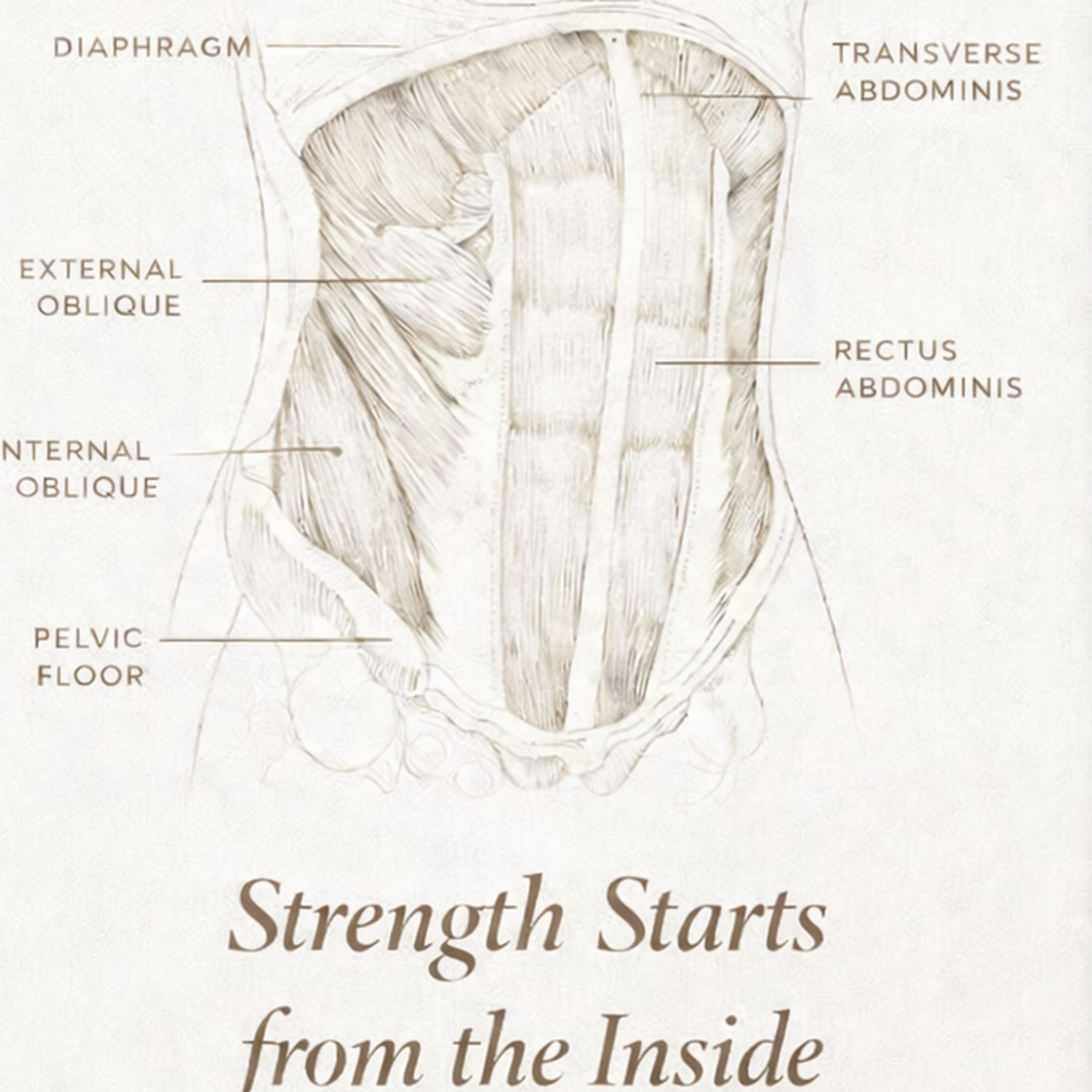
One of the biggest performance benefits Pilates offers beach volleyball players is improved core strength and lumbopelvic stability. The core is not just the abdominals, it includes the deep stabilizers of the spine, hips, and pelvis. Pilates training targets these muscles through controlled, intentional movement, enhancing an athlete’s ability to generate and transfer force efficiently. This leads to more powerful jumps, better balance during landings, and increased control during rotational movements like hitting and serving. A study by Sekendiz et al. (2007) found that Pilates-based exercise significantly improved trunk strength, flexibility, and muscular endurance in physically active individuals, all of which are critical components of volleyball performance.
Beyond performance, injury prevention is where Pilates truly stands out. Beach volleyball athletes are particularly prone to shoulder overuse injuries due to repetitive overhead motions, as well as patellar tendinopathy (“jumper’s knee”) from constant jumping (Reeser et al., 2006). Pilates addresses these risks by promoting muscular balance, joint alignment, and proper movement mechanics. For example, strengthening the scapular stabilizers and improving thoracic mobility can reduce strain on the shoulder joint, while enhancing hip stability and glute activation can offload stress from the knees. Additionally, Pilates emphasizes eccentric control, training muscles to lengthen under tension, which is crucial for safe deceleration during landings and directional changes.
Another often overlooked advantage is body awareness. Pilates trains athletes to move with precision and intention, improving proprioception, the body’s ability to sense its position in space. On an unpredictable surface like sand, this heightened awareness can be the difference between a clean landing and a rolled ankle. It also allows athletes to recognize compensatory patterns early, reducing the likelihood of chronic injury. According to Kloubec (2010), Pilates training enhances balance, coordination, and posture, all of which contribute to improved athletic performance and reduced injury risk.
For South Bay volleyball players looking to gain a competitive edge, Pilates is not just a recovery tool, it’s a performance system. It bridges the gap between strength and movement quality, between power and control. In a sport where milliseconds and inches matter, the ability to move efficiently, stabilize under load, and recover quickly can set athletes apart. Whether you’re playing in local tournaments or training for elite competition, integrating Pilates into your routine can elevate your game while protecting your body for the long run.
References
Bahr, R., & Reeser, J. C. (2003). Injuries among world-class professional beach volleyball players. The American Journal of Sports Medicine, 31(1), 119–125.
Kibler, W. B., Press, J., & Sciascia, A. (2006). The role of core stability in athletic function. Sports Medicine, 36(3), 189–198.
Kloubec, J. A. (2010). Pilates for improvement of muscle endurance, flexibility, balance, and posture. Journal of Strength and Conditioning Research, 24(3), 661–667.
Reeser, J. C., Verhagen, E., Briner, W. W., Askeland, T. I., & Bahr, R. (2006). Strategies for the prevention of volleyball-related injuries. British Journal of Sports Medicine, 40(7), 594–600.
Sekendiz, B., Altun, Ö., Korkusuz, F., & Akın, S. (2007). Effects of Pilates exercise on trunk strength, endurance, and flexibility in sedentary adult females. Journal of Bodywork and Movement Therapies, 11(4), 318–326.