Bone Health and Osteoporosis: Can Pilates Help?
Bone health is a foundational component of overall wellness, yet it is often overlooked until problems arise. Osteoporosis, a condition characterized by decreased bone density and increased fracture risk, affects millions of people worldwide, particularly women as they age, though men are not immune. While genetics and hormones play a role, lifestyle factors such as movement, strength training, posture, and balance have a significant impact on maintaining strong, resilient bones throughout life.
Exercise is one of the most effective non-pharmaceutical strategies for supporting bone health. Research consistently shows that bones respond to mechanical loading, meaning they strengthen when placed under appropriate stress. Weight-bearing and resistance-based exercises stimulate bone remodeling by encouraging osteoblast activity, the cells responsible for building bone tissue. Without this stimulus, bones can gradually lose density, becoming more fragile over time.
Pilates offers a unique approach to movement that can be especially beneficial for individuals concerned about bone health or osteoporosis. While Pilates is not traditionally classified as high-impact exercise, it emphasizes controlled resistance, postural alignment, muscular engagement, and load through the skeletal system, all of which contribute to bone stimulation. Many Pilates exercises involve supporting body weight through the arms, legs, and spine, which can help promote bone density in key areas such as the hips, spine, and shoulders.
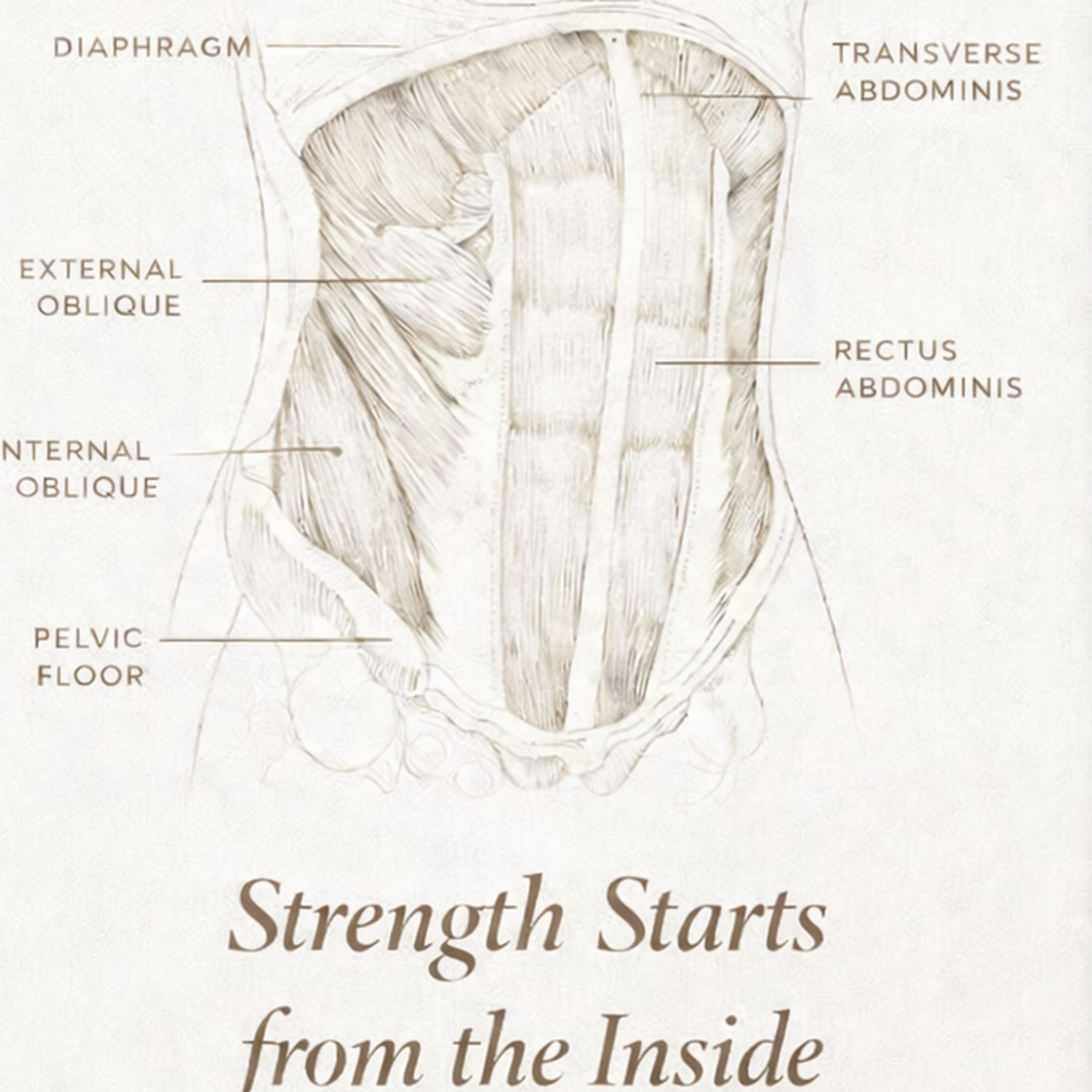
One of the most valuable aspects of Pilates for individuals with low bone density is its focus on spinal alignment and safe movement mechanics. Osteoporosis increases the risk of vertebral fractures, particularly with repetitive spinal flexion or poor posture. Pilates training emphasizes neutral spine, axial elongation, and deep core support, helping individuals move with greater awareness and reduce unnecessary strain on vulnerable areas. When taught properly, Pilates can strengthen the muscles that support the spine, improving posture and potentially decreasing fracture risk.
Balance and coordination are also critical components of osteoporosis prevention, as falls are a leading cause of fractures. Pilates incorporates unilateral exercises, stability challenges, and controlled transitions that enhance proprioception and balance. Improved balance and strength can reduce fall risk, making Pilates a valuable tool not only for bone health but also for injury prevention and long-term independence.
It is important to note that Pilates is most effective for bone health when thoughtfully programmed and, when appropriate, combined with other forms of weight-bearing or resistance training. A well-designed Pilates program can be modified for different fitness levels and bone density considerations, making it accessible to beginners while still challenging enough to support strength and performance goals. As with any exercise regimen, individuals with osteoporosis or osteopenia should consult with a qualified healthcare provider and work with knowledgeable instructors who understand safe movement guidelines.
In conclusion, while Pilates alone may not replace all forms of bone-loading exercise, it can play a meaningful role in a comprehensive bone-health strategy. By improving strength, posture, balance, and movement efficiency, Pilates supports the body’s structural integrity and promotes longevity. When practiced consistently and intelligently, Pilates can be a powerful ally in maintaining bone health and supporting an active, resilient life.
References
National Osteoporosis Foundation. Clinician’s Guide to Prevention and Treatment of Osteoporosis.
International Osteoporosis Foundation. Exercise and Osteoporosis Guidelines.
NIH National Institute of Arthritis and Musculoskeletal and Skin Diseases. Osteoporosis Overview.
American College of Sports Medicine (ACSM). Physical Activity Guidelines for Bone Health.
Sinaki, M. (2013). Exercise for patients with osteoporosis: management of vertebral compression fractures and trunk strengthening. Mayo Clinic Proceedings